Source Reclining Folding Camp Cot with Removable Cover for Beach, Park, and Villa Use
Find and compare 30 Reclining Folding Camp Cot with Removable Cover options from verified Chinese manufacturers. Evaluate metal frame durability, adjustable height features, and foldable designs suitable for outdoor leisure, hotel guest rooms, and home office relaxation.
Key considerations
Products List
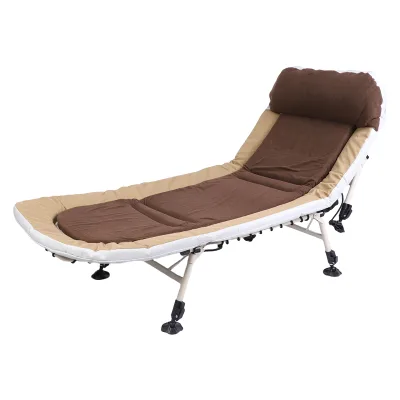


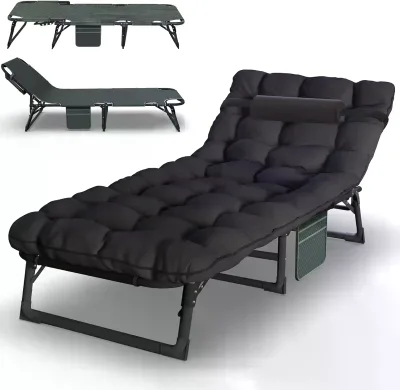


Camping Cot Removable Side Lightweight 350lbs Capacity Folding Camping Bed
$9.04 - $10.84
MOQ: 500 Pieces

Portable Camping Cot Bed Aluminium Alloy 300lbs Capacity Ultralight Folding Cot
$18.00 - $21.60
MOQ: 500 Pieces

Folding Camping Cot Oversized Lightweight Padded Portable Travel Camp Cots
$9.61 - $11.53
MOQ: 500 Pieces

Ultralight Folding Camping Cot Extra Long Backpacking Camping Cots Bed for Adults
$18.00 - $21.60
MOQ: 500 Pieces


Ultralight Portable Folding Camping Cot Hiking Bed Aluminium Folding Cot
$15.00 - $22.00
MOQ: 1000 Pieces

Camping Cot Compact Folding Cot Bed for Outdoor Backpacking Camping Cot Bed
$15.00 - $25.00
MOQ: 1000 Pieces

Comprehensive Sourcing Guide
Reclining Folding Camp Cot with Removable Cover Sourcing Guide
Sourcing a reclining folding camp cot with a removable cover requires a disciplined approach to balancing portability, comfort, and structural integrity. These products are designed for versatile use across outdoor environments such as beaches, parks, and mountains, as well as indoor settings including living rooms, home offices, and guest bedrooms. The core value proposition lies in the dual functionality of providing a supportive sleeping surface that can be adjusted for lounging or fully extended for rest, all while maintaining a compact footprint for storage and transport. Buyers must recognize that the "removable cover" feature is not merely aesthetic but serves a critical hygiene and maintenance function, allowing for easy cleaning and potential replacement without discarding the entire unit.
The procurement landscape for these items is characterized by a wide variance in material quality, frame construction, and fabric durability. While the market offers products ranging from basic single-use cots to premium, heavy-duty models, the specific attributes of the frame material—often metal, iron, or steel pipe—and the fabric composition, typically polyester or nylon, are the primary determinants of longevity and load-bearing capacity. Buyers should focus on verifying the specific alloy or gauge of the metal frame and the denier count of the fabric to ensure the product meets the intended usage intensity. Understanding these material distinctions is essential for aligning product selection with the end-user’s expectations for comfort and durability.
Product Scope and Observed Listing Signals
The observed market signals indicate a diverse range of models, with specific product identifiers such as RHB-7026, SDR-157, SDR-419, SDR-177, SDR-332, and SDR-319 appearing in current listings. These models exhibit varying standard dimensions, with unfolded sizes commonly reported around 190 cm in length, 65-67 cm in width, and heights ranging from 15 cm to 43 cm depending on the recline mechanism and frame design. For instance, some models specify a standard of 1806635cm, while others offer 190 × 67 × 35 cm or 75x28x15 inches, highlighting the need for precise dimensional verification before bulk ordering. The presence of multiple model numbers suggests that suppliers often offer a portfolio of cots with slight variations in folding mechanisms, weight, and packed size, allowing buyers to select the most suitable option for their specific logistical constraints.
Packaging and customization options are significant factors in the current supply landscape. Most units are packaged in carton boxes or individual PP bags, with packing densities typically at one piece per box or bag, which simplifies inventory handling and shipping calculations. Customization is widely available, with suppliers accepting logo printing and OEM branding, which is crucial for private label buyers looking to establish brand identity. However, buyers must note that while customization is offered, the minimum order quantities (MOQ) for such services can vary significantly, with some listings indicating an MOQ of 1 piece for standard orders, while others require 300 or 500 pieces for customized runs. This disparity necessitates clear communication with suppliers early in the negotiation process to align order volumes with branding requirements.
Technical Specifications to Verify
The structural integrity of a reclining cot is heavily dependent on the frame material and construction method. Buyers should verify whether the frame is constructed from iron, steel pipe, or other metal alloys, as these materials directly impact the cot’s weight, rust resistance, and maximum load capacity. The folding mechanism must be inspected for ease of assembly and stability, ensuring that the joints and hinges can withstand repeated use without loosening or failing. Specific attention should be paid to the "foldable" and "reclining" features, confirming that the adjustment mechanisms are secure and do not pose a pinch hazard or structural weakness during use. The ability to assemble easily is a key selling point, but it must be backed by robust engineering to ensure safety.
Fabric and cover specifications are equally critical for user comfort and product longevity. The material composition, often listed as polyester or nylon, should be evaluated for tensile strength, tear resistance, and breathability. The removable cover feature must be verified for its attachment method, such as zippers or elastic hems, ensuring that it stays in place during use and can be removed without damaging the underlying fabric. Buyers should also check the folding size, which can vary from approximately 550335370mm to other compact dimensions, to ensure it fits within their storage or shipping requirements. Additionally, the condition of the product should be confirmed as new, and any claims regarding waterproofing or UV resistance should be substantiated with material data sheets.
Compliance and Safety Documentation
Safety compliance is paramount for products intended for both indoor and outdoor use, particularly when marketed for use in hotels, schools, or leisure facilities. Buyers must ensure that the cots meet relevant regional safety standards for furniture and recreational equipment, focusing on stability, edge safety, and material toxicity. While specific certification statuses may vary by supplier and destination market, buyers should request documentation that verifies the absence of harmful substances in the fabric and frame coatings, such as lead or phthalates. This is especially important for products that may be used in residential settings or by children, where regulatory scrutiny is higher.
Documentation should also include clear instructions for assembly and maintenance, which serve as both a safety guide and a liability mitigation tool. Buyers should verify that the supplier provides comprehensive user manuals that detail weight limits, proper usage techniques, and care instructions for the removable cover. This documentation helps prevent misuse that could lead to product failure or injury. Furthermore, buyers should inquire about any third-party testing reports that validate the structural integrity of the reclining mechanism and the durability of the fabric under stress. Having these documents on file is essential for retail compliance and for addressing any potential customer complaints or returns.
Cost Drivers and Commercial Terms
The cost of reclining folding camp cots is influenced by several key factors, including the grade of metal used for the frame, the quality and weight of the fabric, and the complexity of the reclining mechanism. Higher-grade steel or aluminum frames will increase the unit cost but offer better durability and load capacity, while premium nylon or polyester fabrics with reinforced stitching will also command a higher price. Buyers should analyze the cost structure in relation to the intended application; for example, cots for commercial hotel use may require higher durability standards than those for occasional beach use, justifying a higher investment per unit. Understanding these drivers allows buyers to make informed trade-offs between cost and quality.
Commercial terms, particularly minimum order quantities (MOQ) and payment conditions, play a significant role in the overall procurement cost. As observed, MOQs can range from 1 piece to 1000 pieces, with lower MOQs often associated with higher per-unit costs or limited customization options. Buyers should negotiate terms that align with their inventory turnover rates and cash flow capabilities. Additionally, shipping costs can be a significant portion of the total landed cost, so buyers should consider the packed dimensions and weight of the cots when selecting suppliers. Optimizing packaging efficiency and negotiating freight terms can help mitigate these costs, especially for large volume orders.
Supplier Qualification and Quality Control
Selecting a reliable supplier is critical for ensuring consistent product quality and timely delivery. Buyers should conduct thorough due diligence on potential suppliers, verifying their business licenses, manufacturing capabilities, and quality control processes. Suppliers based in regions like Zhejiang, China, often have established supply chains for metal and textile products, but buyers should still assess their specific expertise in folding furniture. Requesting samples is an essential step to evaluate the build quality, ease of assembly, and comfort of the cots. Buyers should test the reclining mechanism, inspect the stitching on the fabric, and check the stability of the frame under load.
Quality control measures should be integrated into the procurement process to minimize the risk of defects. Buyers should establish clear quality standards and inspection criteria, including checks for frame straightness, fabric integrity, and packaging accuracy. Implementing pre-shipment inspections can help identify and rectify issues before the goods are dispatched. Additionally, buyers should maintain open communication with suppliers regarding any quality concerns and request corrective action plans for recurring issues. Building a strong relationship with the supplier can also facilitate better support for after-sales service and future product development.
Long-Term Procurement Checks
Long-term success in sourcing reclining folding camp cots depends on continuous monitoring of product performance and market trends. Buyers should gather feedback from end-users to identify any common issues, such as fabric tearing, frame fatigue, or cover detachment, and use this information to refine future orders. Regularly reviewing supplier performance metrics, such as on-time delivery rates and defect percentages, can help identify potential risks and opportunities for improvement. Staying informed about new materials and design innovations can also provide a competitive edge, allowing buyers to offer updated products that meet evolving consumer preferences.
Sustainability and ethical sourcing are increasingly important considerations for modern buyers. Buyers should inquire about the environmental impact of the materials used, such as the recyclability of the metal frame and the sourcing of the fabric. Suppliers who demonstrate a commitment to sustainable practices, such as using eco-friendly dyes or reducing packaging waste, can enhance the brand’s reputation and appeal to environmentally conscious consumers. By integrating these long-term checks into their procurement strategy, buyers can ensure that their product offerings remain relevant, competitive, and responsible in the marketplace.
FAQs
What materials are used for the frame and fabric?
The frame is constructed from metal or iron, while the fabric consists of polyester or nylon. These durable materials ensure stability and comfort for various applications including outdoor and indoor use.
Can the product be customized with a specific logo?
Yes, customization is available for logos and branding. Buyers can request specific designs to be applied to the product, making it suitable for OEM requirements and corporate gifting purposes.
What is the minimum order quantity for this item?
The minimum order quantity varies by model, ranging from one piece to five hundred pieces. Some listings accept single units while others require bulk orders of three hundred or more.
How is the product packaged for shipping?
Packaging options include carton boxes or individual polypropylene bags depending on the specific model. Each unit is typically packed separately to ensure protection during transit and storage.
Where is the manufacturing origin of these cots?
The products originate from Zhejiang, China. This location is a known manufacturing hub for metal furniture and outdoor equipment, ensuring consistent production quality and supply chain efficiency.
What are the standard dimensions for the unfolded cot?
Standard sizes include dimensions like 190 by 67 by 35 centimeters or 180 by 66 by 35 centimeters. Customized sizes are also available to meet specific space requirements for different environments.